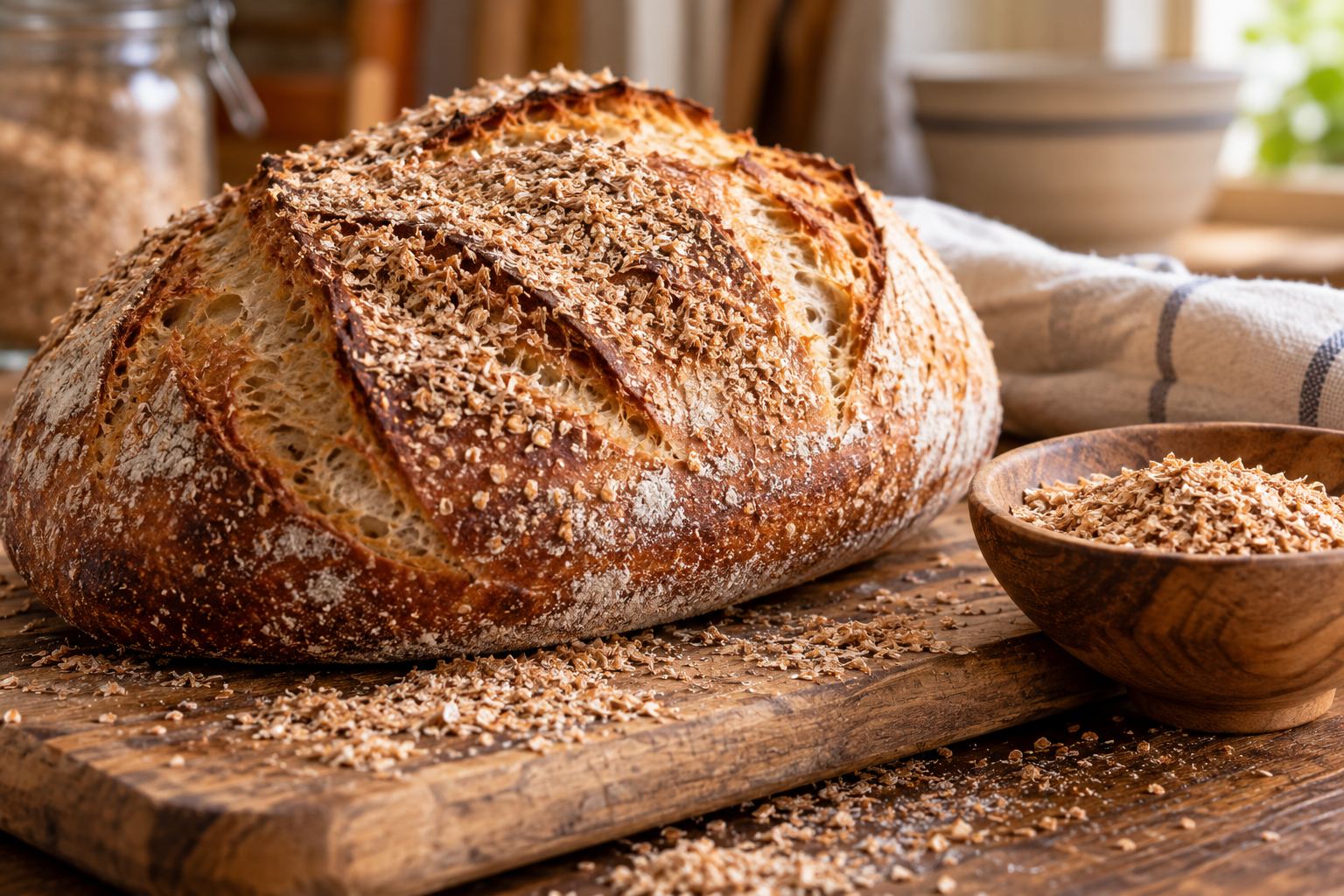
How to Use Sifted Bran as a Bread Topping
A step-by-step blog guide to coating a shaped loaf before the final proof.
Read article →Ancient grains, fresh milled flour, traditional baking, and the journey from grain to table.
Welcome to The Grainiac Journal — practical guides, baking insights, and traditional food knowledge to help you rediscover the flavor and benefits of ancient grains and fresh milled flour.
A step-by-step blog guide to coating a shaped loaf before the final proof.
Read article →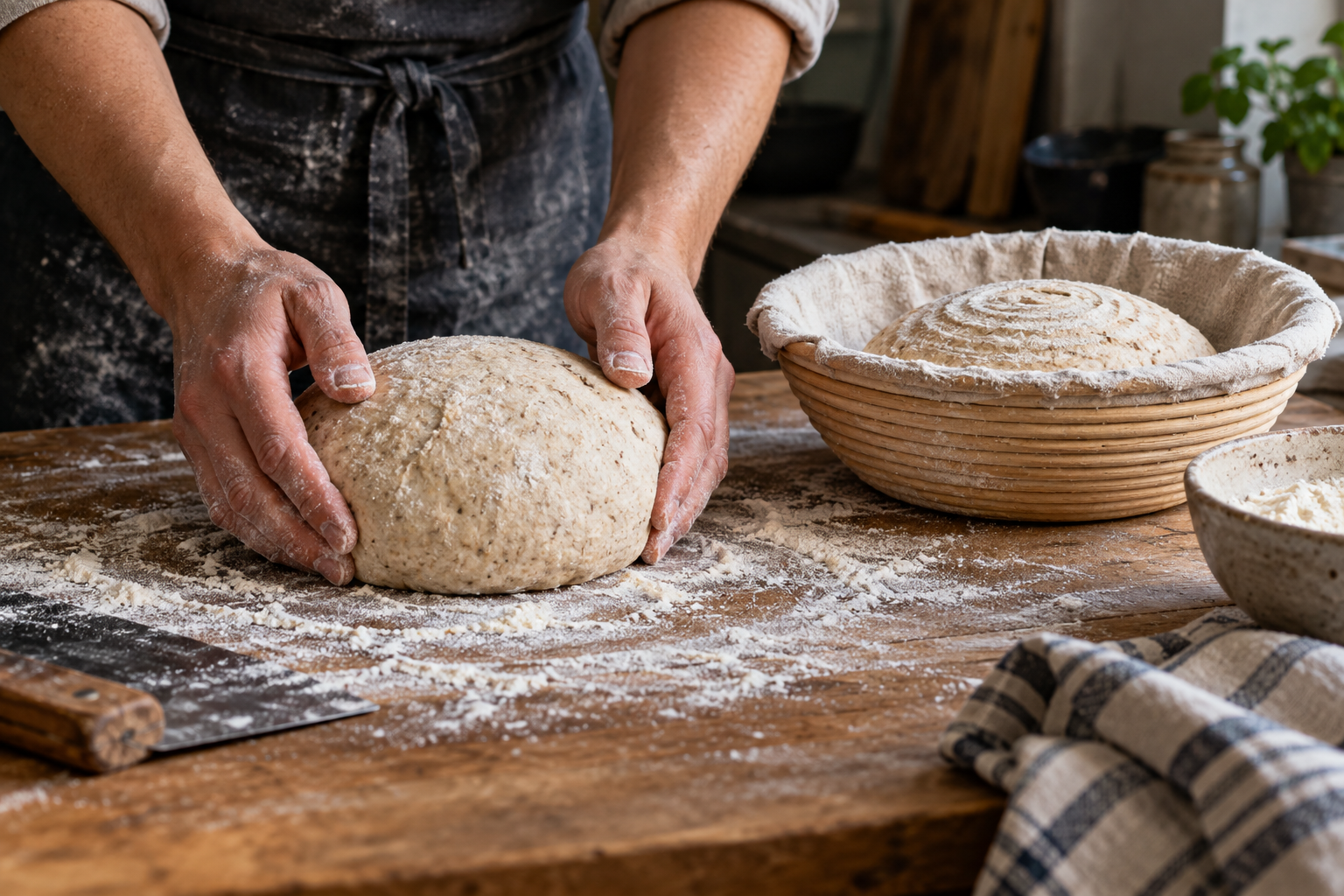
Gentle shaping and the right support for einkorn, spelt, and emmer.
Read article →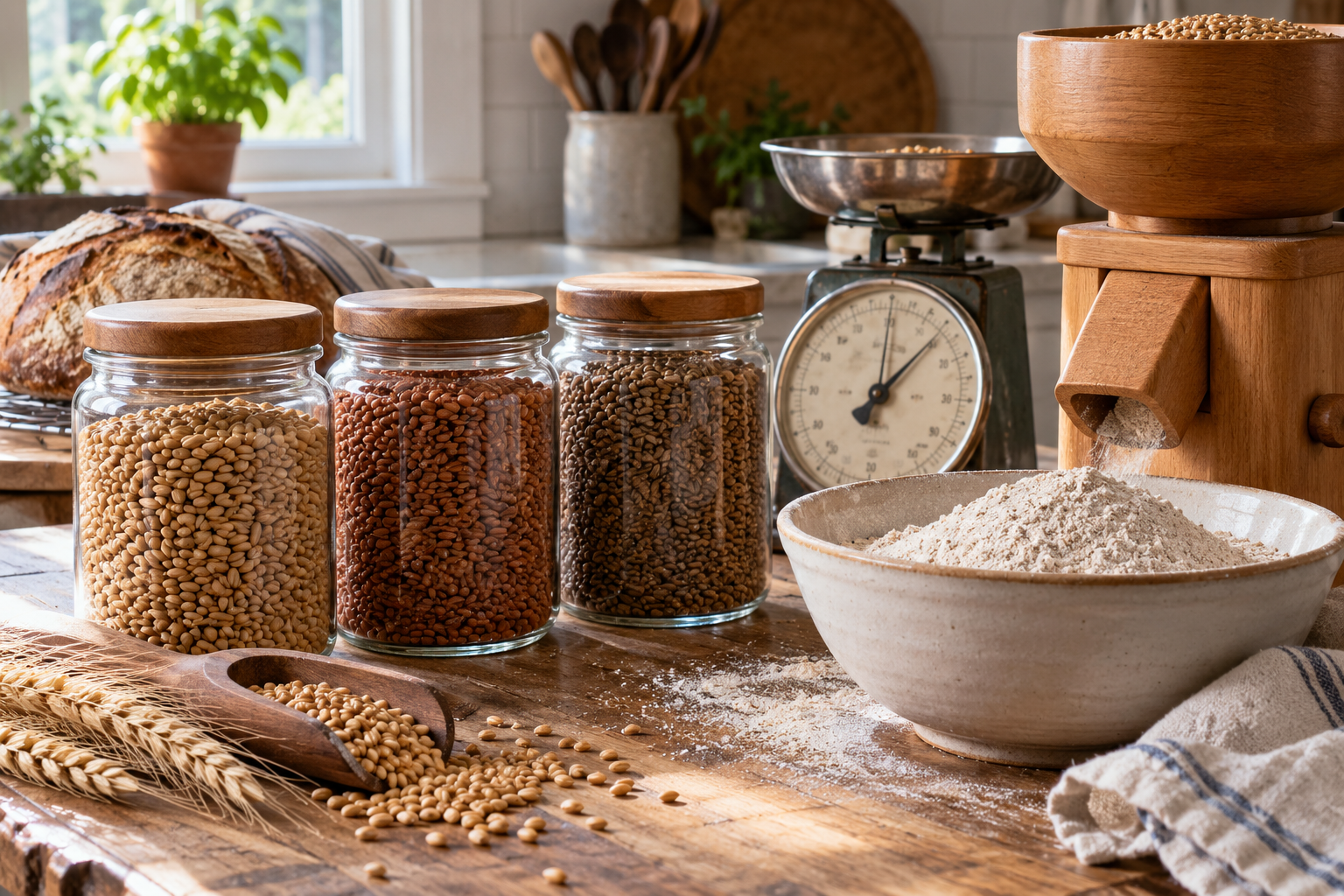
Understand coarse versus fine milling and run a simple comparison.
Read article →Learn proofing cues, flour substitutions, milling temperature, ancient-grain blending, windowpane expectations, and exactly how much wheat to mill.
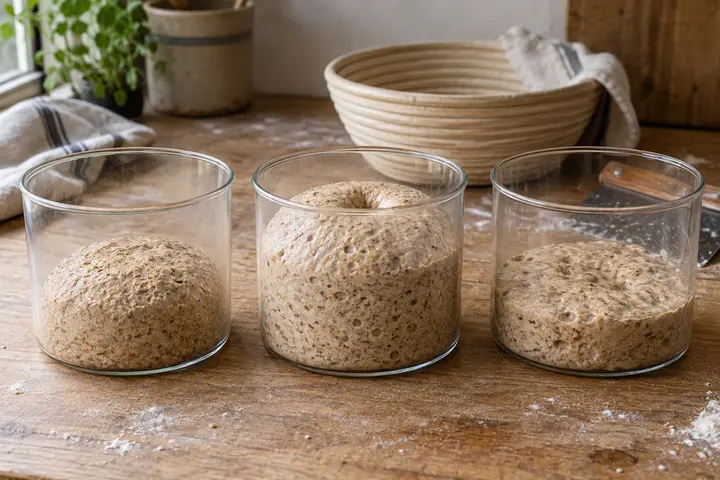
Learn the volume, surface, gas, feel, and finger-press cues that matter more than the clock when proofing fresh-milled bread.
Read Article →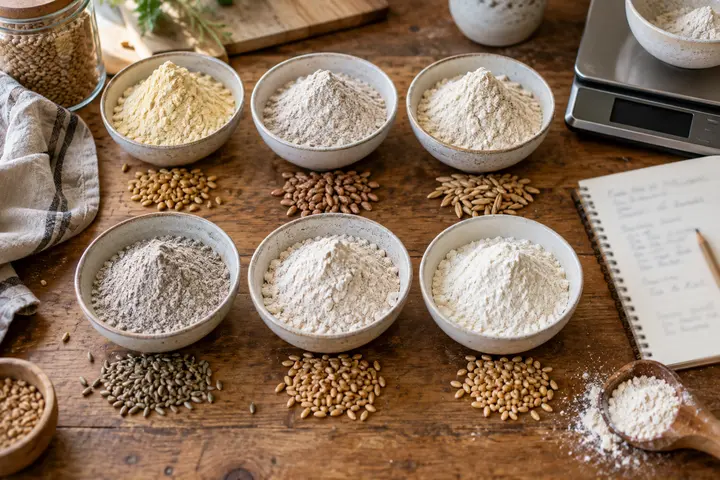
A practical grain-by-grain chart for replacing modern wheat with fresh-milled hard wheat, einkorn, spelt, emmer, Kamut, and rye.
Read Article →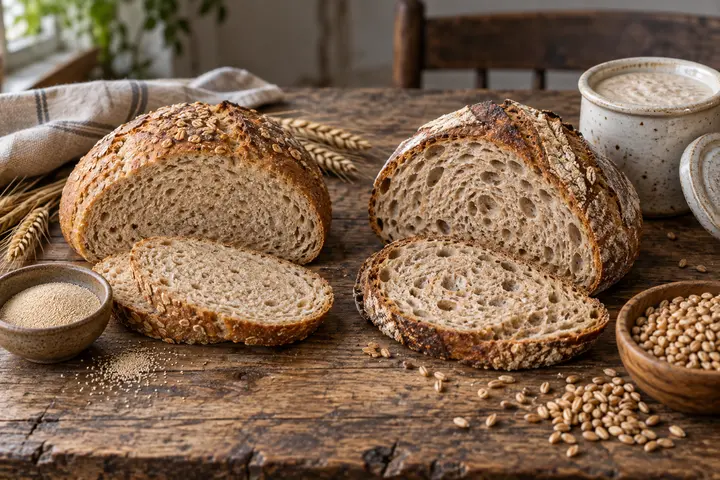
Compare commercial yeast, sourdough, and hybrid fermentation for einkorn, spelt, emmer, Kamut, rye, and fresh-milled wheat.
Read Article →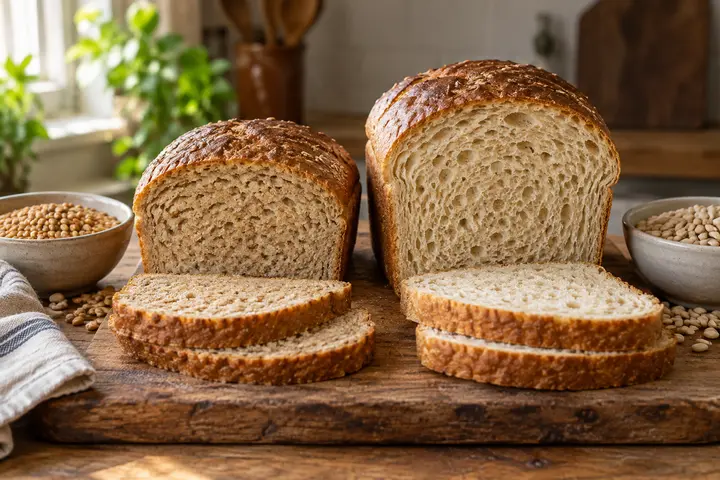
Compare flavor, loaf height, crumb, handling, and nutrition when baking with 100% ancient grain or a strong-wheat blend.
Read Article →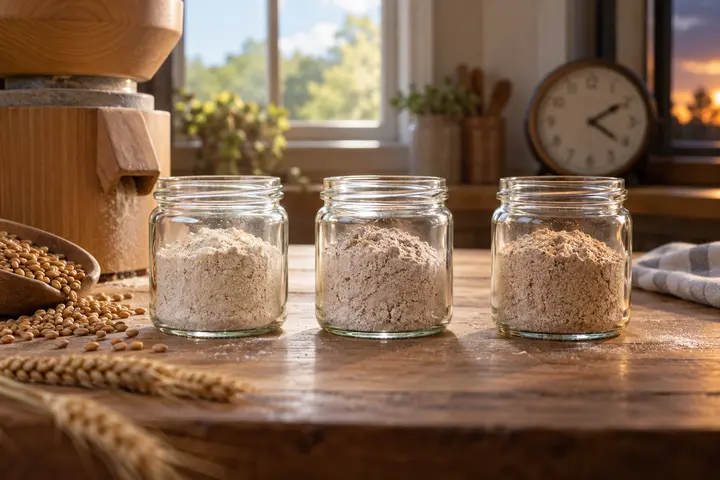
What actually happens after milling: aroma, oxygen exposure, enzymes, hydration behavior, oxidation, and practical storage—without scare claims.
Read Article →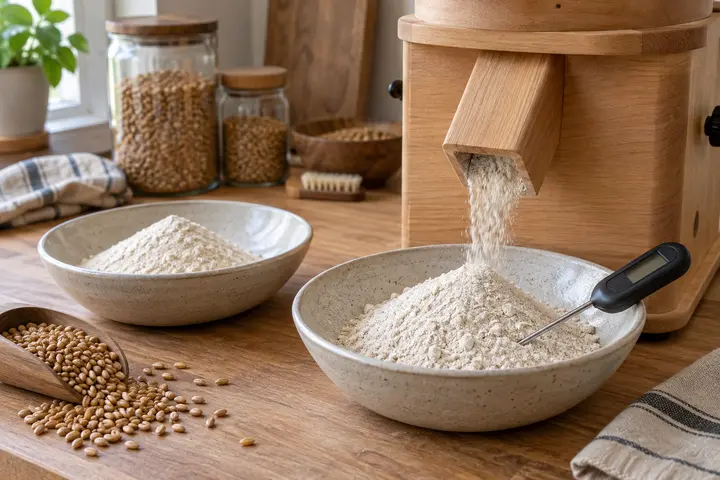
A careful look at flour temperature, mill type, batch size, enzymes, oxidation, and practical ways to keep home-milled flour cool.
Read Article →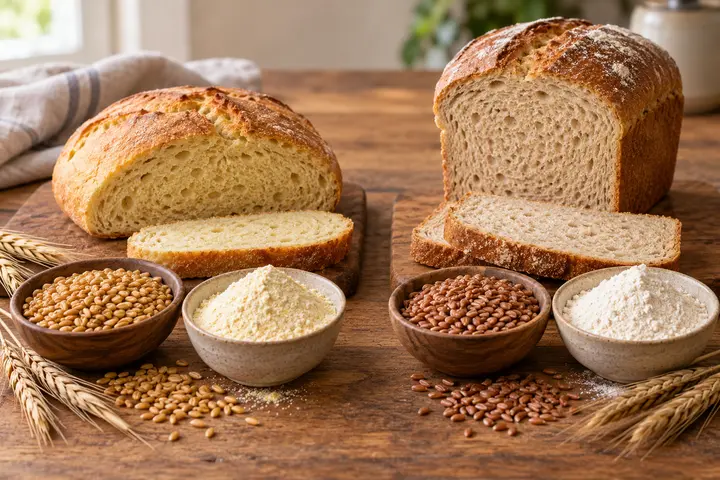
A practical comparison of einkorn and spelt flavor, gluten behavior, hydration, loaf height, recipe versatility, and learning curve.
Read Article →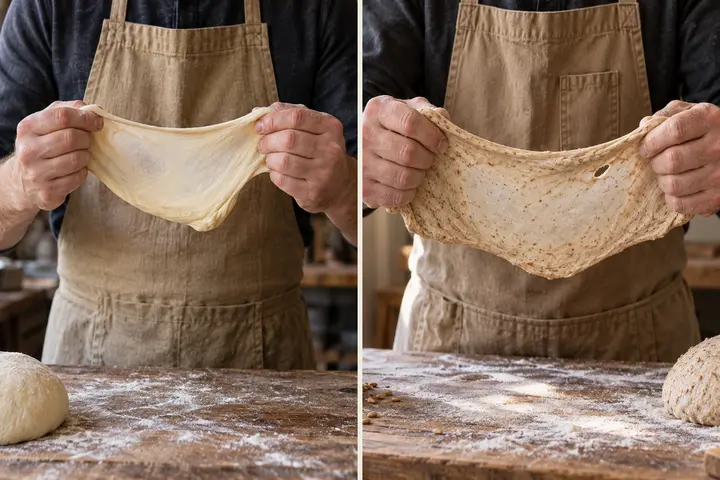
Learn what the windowpane test measures, why bran and ancient-wheat gluten change it, and which development cues work better.
Read Article →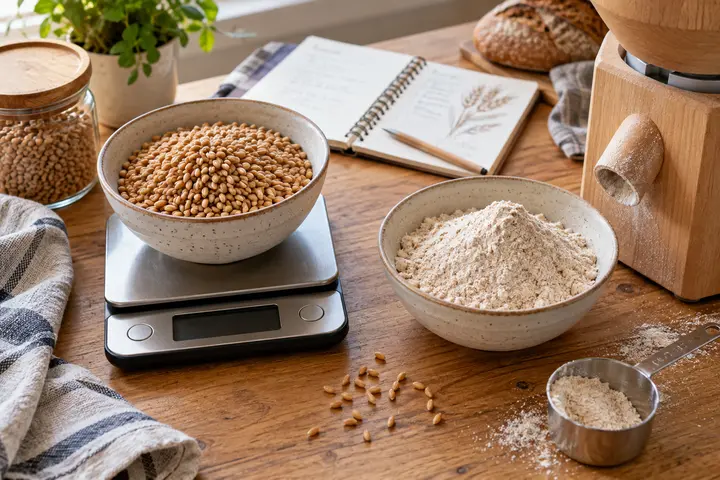
Calculate wheat berries for unsifted or sifted fresh-milled flour, allow for mill retention, and stop guessing by volume.
Read Article →
Learn how this ancient heritage grain compares with modern wheat, including history, flavor, nutrition, gluten behavior, and practical baking substitutions.
Read Article
History, flavor, nutrition, flour types, and the easiest way to begin baking with einkorn.
Read Article →
Compare flavor, baking behavior, heritage, nutrition context, and the best uses for four ancient wheats.
Read Article →
Learn why farro usually means emmer, how Italian farro names differ, and what to look for when buying and cooking it.
Read Article →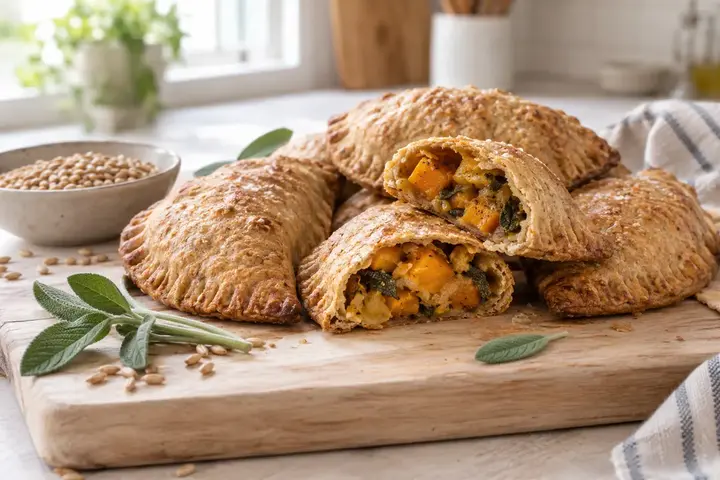
Mill the grain and follow an illustrated fall recipe from flaky emmer pastry to the finished savory hand pies.
Read Article →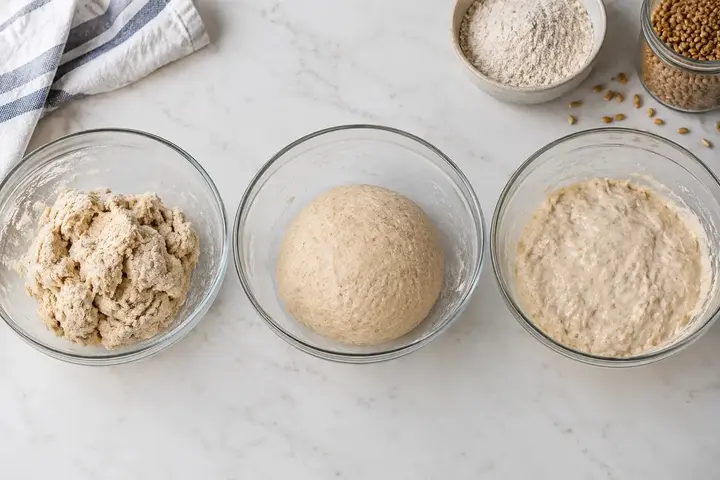
Learn the visual and handling cues for dough that is too dry, properly hydrated, or wetter than its structure can support.
Read Article →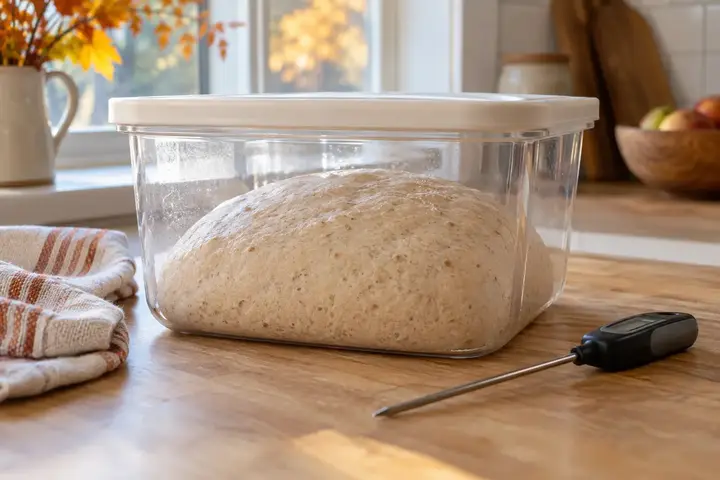
Use dough temperature and visible fermentation—not the clock—to keep cool-weather bread on schedule.
Read Article →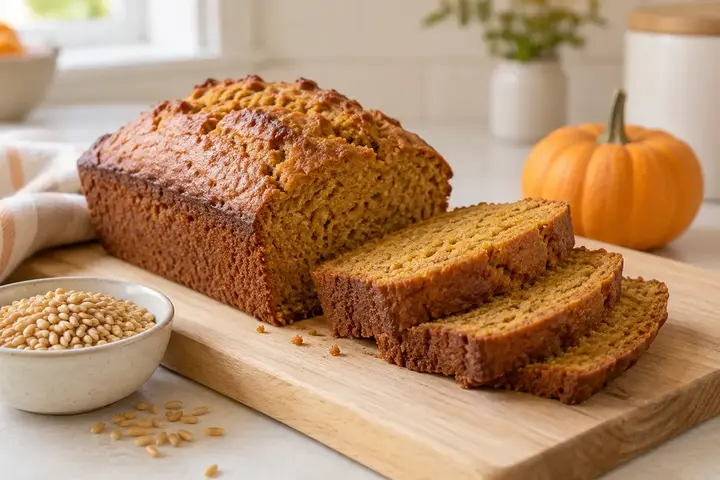
Follow the grain from mill to mixing bowl in this illustrated fall baking guide and complete fresh-milled recipe.
Read Article →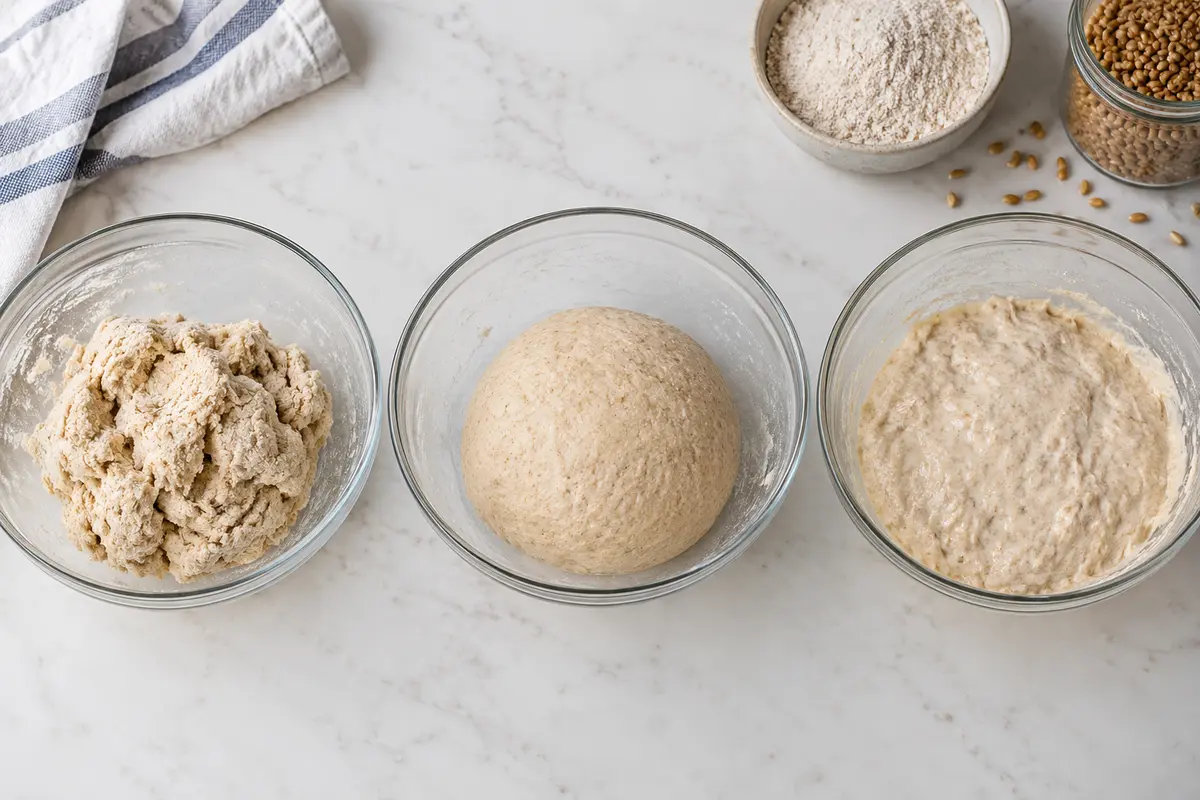
Compare practical starting ranges for hard wheat, einkorn, spelt, emmer, Kamut, and rye—then learn how to adjust by dough feel and loaf style.
Read Article →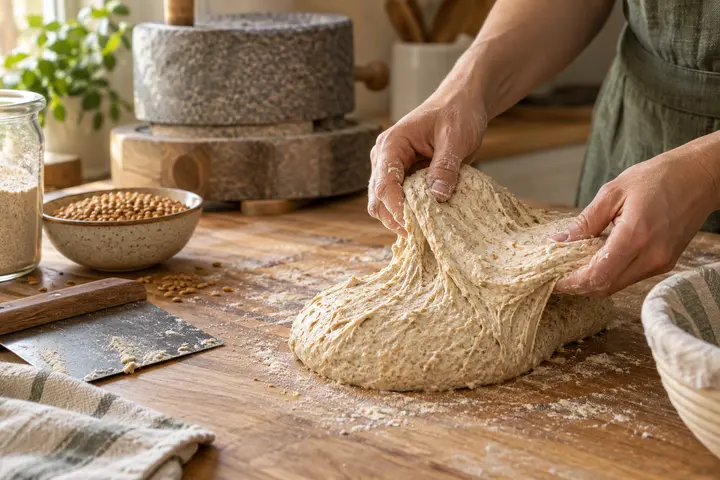
Diagnose tacky, sticky, slack, and pasty dough by grain, hydration, temperature, mixing, and fermentation—then choose the right fix.
Read Article →Learn what sifting removes, how to measure extraction, and when a lighter flour helps—without wasting the bran and germ.
Read Article →Choose the right hydration rest for hard wheat, einkorn, spelt, emmer, Kamut, and rye—and learn when to hold water back.
Read Article →
Compare stone, impact, and blade mills by budget, flour output, texture control, warranty, and the way you actually bake.
Read Article →
Compare flavor, nutrition, shelf life, consistency, water absorption, and baking performance without the usual hype.
Read Article →
Discover the practical benefits of home milling, from fuller grain flavor and flour control to storage and better baking.
Read Article →
Choose food-safe containers, control heat and moisture, prevent pests, and build a pantry rotation that protects flavor.
Read Article →
Learn how whole-grain form, processing, portions, and meal balance matter more than an “ancient” label alone.
Read Article →
Diagnose fermentation, hydration, dough strength, proofing, shaping, and baking problems in the right order.
Read Article →
Compare spelt, einkorn, emmer, and Khorasan wheat by flavor, dough strength, blending range, and best loaf style.
Read Article →
Use practical starting percentages and adjust hydration, mixing, and structure for different kinds of recipes.
Read Article →